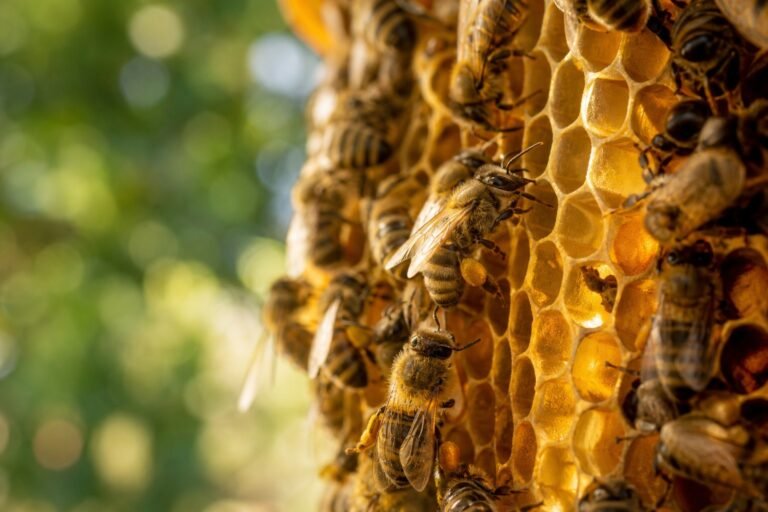
If you’ve been thinking about starting beekeeping, there’s never been a better time. The beekeeping community is more supportive and accessible than ever, equipment options have improved dramatically, and the need for more beekeepers continues to grow as pollinator populations face ongoing challenges.
Why Start Beekeeping?
People come to beekeeping for many reasons: the promise of fresh honey, a desire to support pollinators, the fascinating biology of colony life, or simply the meditative quality of working with bees. Whatever draws you in, beekeeping rewards patience, curiosity, and a willingness to learn from the bees themselves.
Essential Equipment
Getting started doesn’t require a massive investment. Here’s what you’ll need:
- Hive body: A Langstroth hive is the most common choice for beginners
- Protective gear: A quality veil, gloves, and bee suit
- Smoker: Essential for calm hive inspections
- Hive tool: For prying apart frames and scraping wax
- Bees: You can purchase a nucleus colony (nuc), a package of bees, or catch a swarm
Getting Your First Bees
There are three main ways to acquire your first colony:
Package bees — typically 3 pounds of bees with a mated queen, shipped to you in a screened box. This is the most common method for beginners.
Nucleus colonies (nucs) — a small, established colony with a laying queen, brood, and food stores. More expensive but gives you a head start.
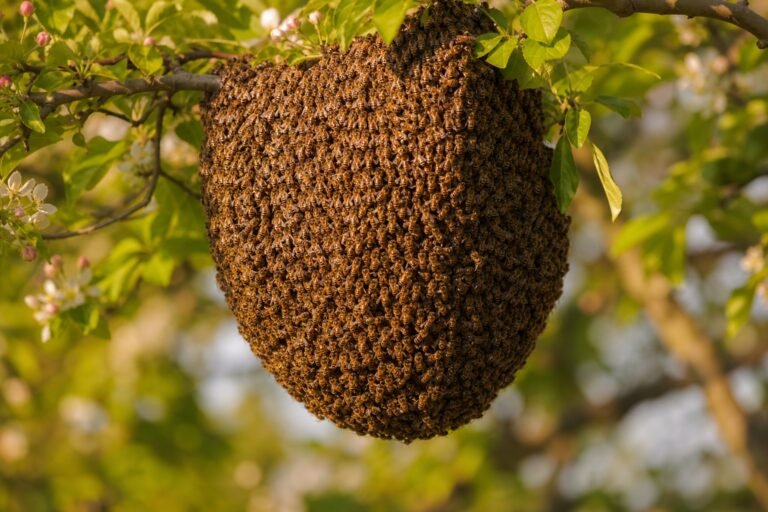
Swarm trapping — the most cost-effective and adventurous method. Using a device like the Interceptor Pro Swarm Trap, you can attract and capture wild swarms during spring and early summer. Many experienced beekeepers consider swarm-caught bees to be the hardiest and best-adapted to local conditions.
Join Your Local Bee Club
One of the best things you can do as a new beekeeper is connect with your local beekeeping association. These groups offer mentorship programs, hands-on workshops, and a community of experienced beekeepers who remember exactly what it was like to be new. Most states have a state beekeeping organization with local chapter clubs.
Beekeeping is a journey, not a destination. Start small, learn as you go, and don’t be afraid to ask questions. The bees are excellent teachers.
Frequently Asked Questions
How much does it cost to start beekeeping?
A basic startup kit including a hive, protective gear, smoker, and tools runs $300–$500. Your first colony (a nucleus colony or package of bees) adds $150–$250. Catching a free swarm with a swarm trap is one of the most affordable ways to get started.
Is beekeeping hard for beginners?
Beekeeping has a learning curve, but it’s very manageable. Most beginners succeed by joining a local bee club, taking a beginner class, and starting with just 1–2 hives. The bees do most of the work — your job is to provide a good home and monitor their health.
What equipment do I need to start beekeeping?
Essential equipment includes: a Langstroth hive (most common), frames and foundation, a bee suit or jacket with veil, leather gloves, a smoker, and a hive tool. Optional but helpful items include a frame grip, bee brush, and a swarm trap for catching free bees.
When is the best time to start beekeeping?
Spring is the ideal time to start. Order your bees in January–February for spring delivery (March–May depending on your climate). This gives the colony a full season to build up strength, store honey, and prepare for winter.