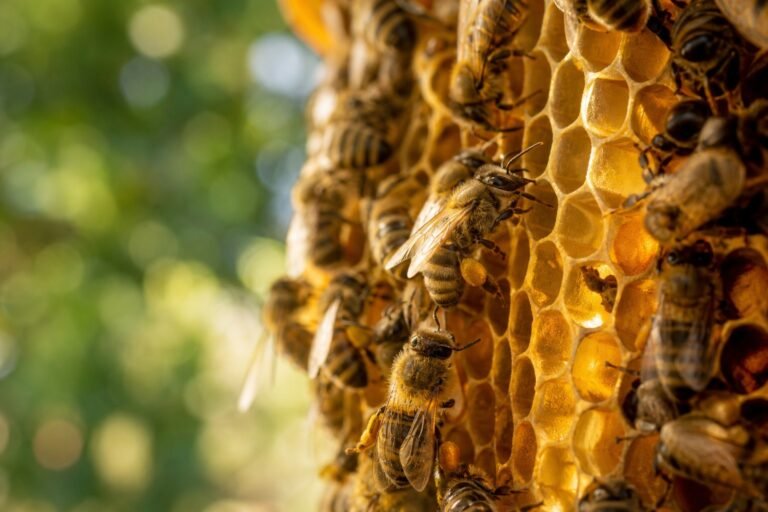
Setting up your first swarm trap can feel overwhelming, but with the right approach, you’ll be catching honeybee swarms in no time. Whether you’re a beginner beekeeper or looking to expand your apiary, swarm trapping is one of the most rewarding ways to grow your colony count naturally.
1. Choose the Right Location
Location is everything when it comes to swarm trapping. Scout bees are looking for a new home that’s protected from the elements, elevated off the ground, and near a reliable food source. Aim to place your trap 8-15 feet off the ground, ideally on the south-facing side of a tree line near open meadows or flowering crops.
2. Use the Right Lure
A quality swarm lure can make all the difference. Lemongrass oil is a popular and effective option that mimics the Nasonov pheromone bees use to signal “home.” Apply sparingly — a few drops on a cotton ball inside the trap is plenty. Remember: more is not better when it comes to lure application.
3. Timing Is Everything
Swarm season typically runs from late spring through early summer, though this varies by region. In most areas of the United States, April through June is prime time. Set your traps out 2-3 weeks before swarm season begins in your area so scout bees can find them.
4. Use Old Comb if Available
Nothing attracts bees quite like the smell of old brood comb. If you have access to dark, drawn comb from a previous hive, place a frame or two inside your trap. The familiar scent signals to scout bees that this location has been used successfully before.
5. Check Your Traps Regularly
Once your traps are set, check them every 7-10 days during swarm season. You’re looking for increased bee activity around the entrance — a steady stream of bees coming and going is a sure sign you’ve caught a swarm. When you do, give them 2-3 days to settle in before moving them to their permanent hive location.
With the Interceptor Pro Honeybee Swarm Trap, the process is even simpler. Its patented design and optimal 40-liter volume make it irresistible to scout bees, and the lightweight construction makes mounting and retrieval a breeze.
Frequently Asked Questions
What is the best height to hang a swarm trap?
The ideal height for a swarm trap is 8–15 feet off the ground. Scout bees prefer elevated locations that mimic natural tree cavities. If hanging high isn’t practical, even 5–6 feet can work — placement near bee flight paths matters more than exact height.
What is the best bait for a honeybee swarm trap?
Lemongrass essential oil is the most effective and affordable swarm lure. It mimics the Nasonov pheromone that scout bees use to signal a new home. Apply a few drops near the entrance of your trap and refresh every 2–3 weeks during swarm season.
When is the best time to set out swarm traps?
Set your traps out 2–4 weeks before your area’s peak swarm season, which is typically mid-spring (April–May in most of the U.S.). Leave them up through early summer. The earlier you deploy, the better your chances of catching early-season swarms.
How often should I check my swarm trap?
Check your traps at least once a week during peak season. Look for bees entering and exiting consistently — that’s the sign of a caught swarm. Once occupied, transfer the colony to a permanent hive within 1–2 weeks before they build too much comb inside the trap.